How Businesses Can Schedule Commercial Scrap Metal Services in 2026
Commercial businesses that generate non-ferrous scrap metal can save time and maximize payouts by understanding how scrap metal services work. Whether you run a manufacturing facility, electrical contracting company, or plumbing supply house, this guide covers what businesses need to know about scheduling a commercial pickup in 2026.
Which Businesses Typically Use Commercial Scrap Metal Services?
Many commercial accounts generate non-ferrous metal regularly. Common business types include electrical contractors clearing copper wiring and insulated cable, plumbing companies with brass fittings and copper pipe, manufacturers producing aluminum offcuts or stainless steel trim, demolition firms pulling non-ferrous materials from renovation sites, and auto shops with aluminum parts and non-ferrous components.
If your operation generates copper, aluminum, brass, nickel, or insulated wire on a recurring basis, a commercial pickup or container arrangement may be the right fit.
How Does a Business Schedule Commercial Scrap Metal Pickup?
Scheduling is straightforward when you know what to prepare. Follow these steps to get started:
- Identify your materials. Separate non-ferrous metals such as copper, aluminum, brass, and insulated wire before calling. Sorted loads typically command better pricing.
- Estimate your volume. Pickup services are generally best suited to businesses with consistent or large-volume output.
- Call to discuss your needs. Explain your material types, approximate weight, and preferred frequency so the scrap yard can set up the right arrangement.
- Confirm NJ compliance. New Jersey businesses should verify their scrap handling aligns with NJDEP guidelines. Your scrap provider can often point you in the right direction.
- Agree on a pricing method. Scrap metal prices fluctuate, so ask whether pricing is based on the market rate at time of pickup or drop-off.
What Materials Are Accepted for Commercial Accounts?
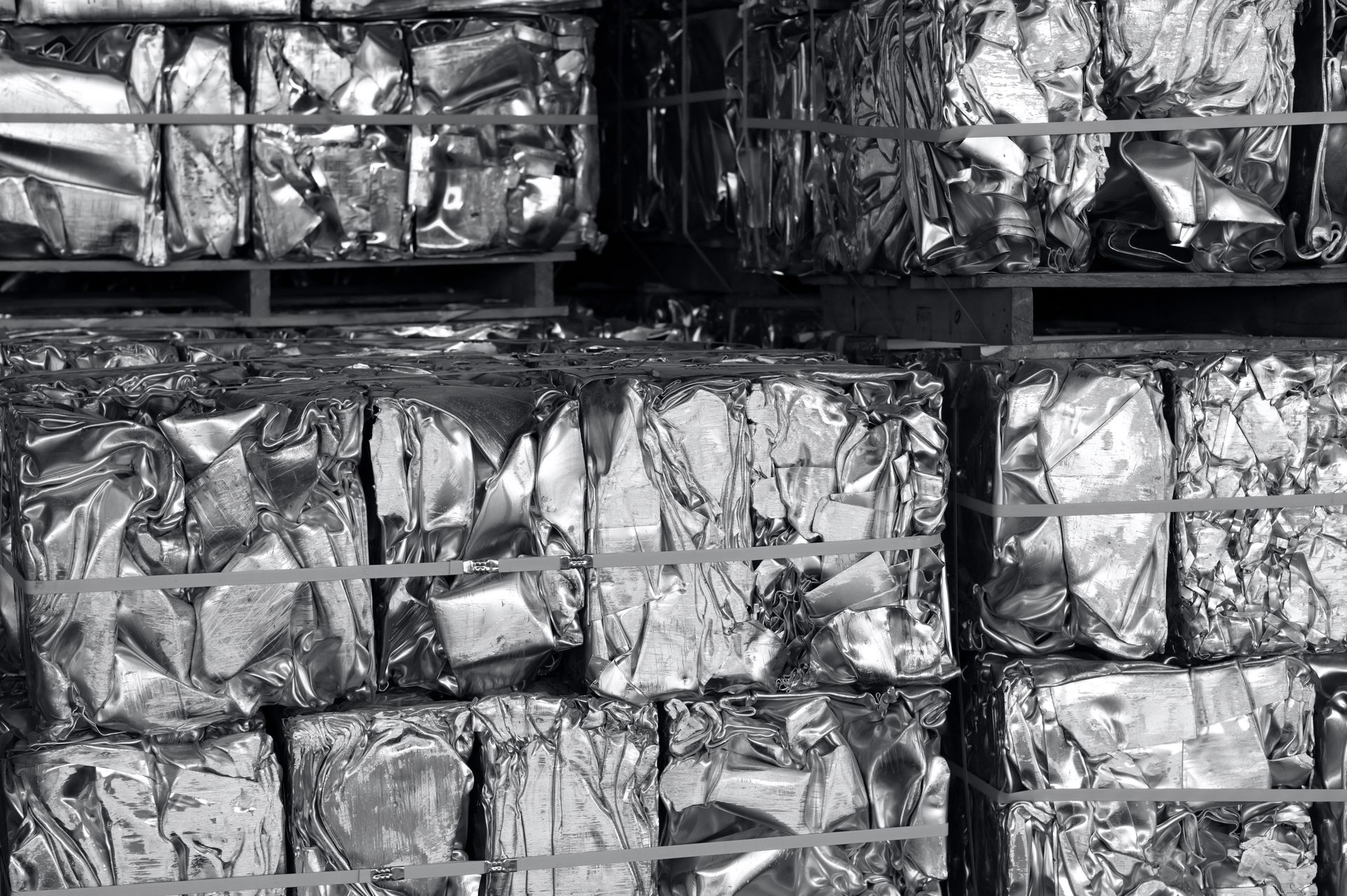
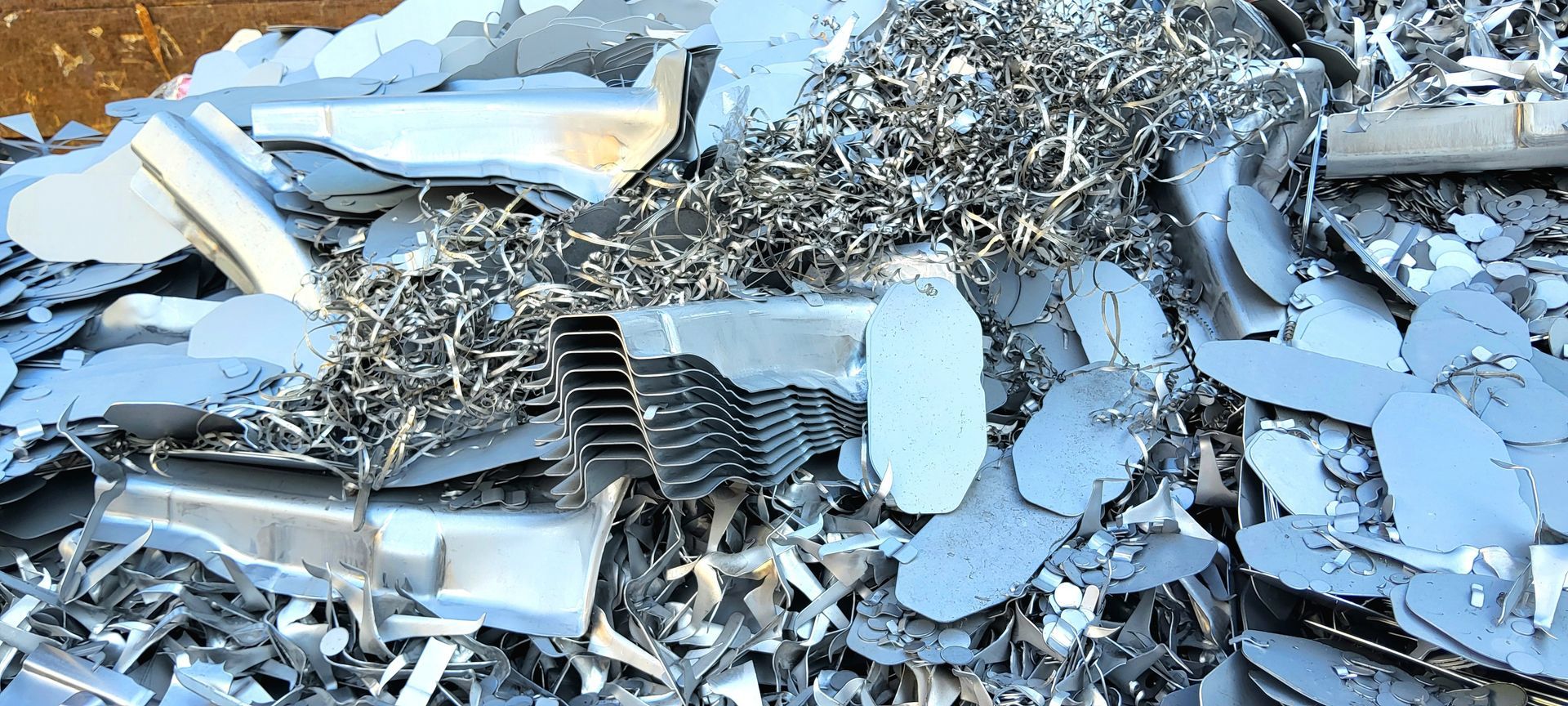
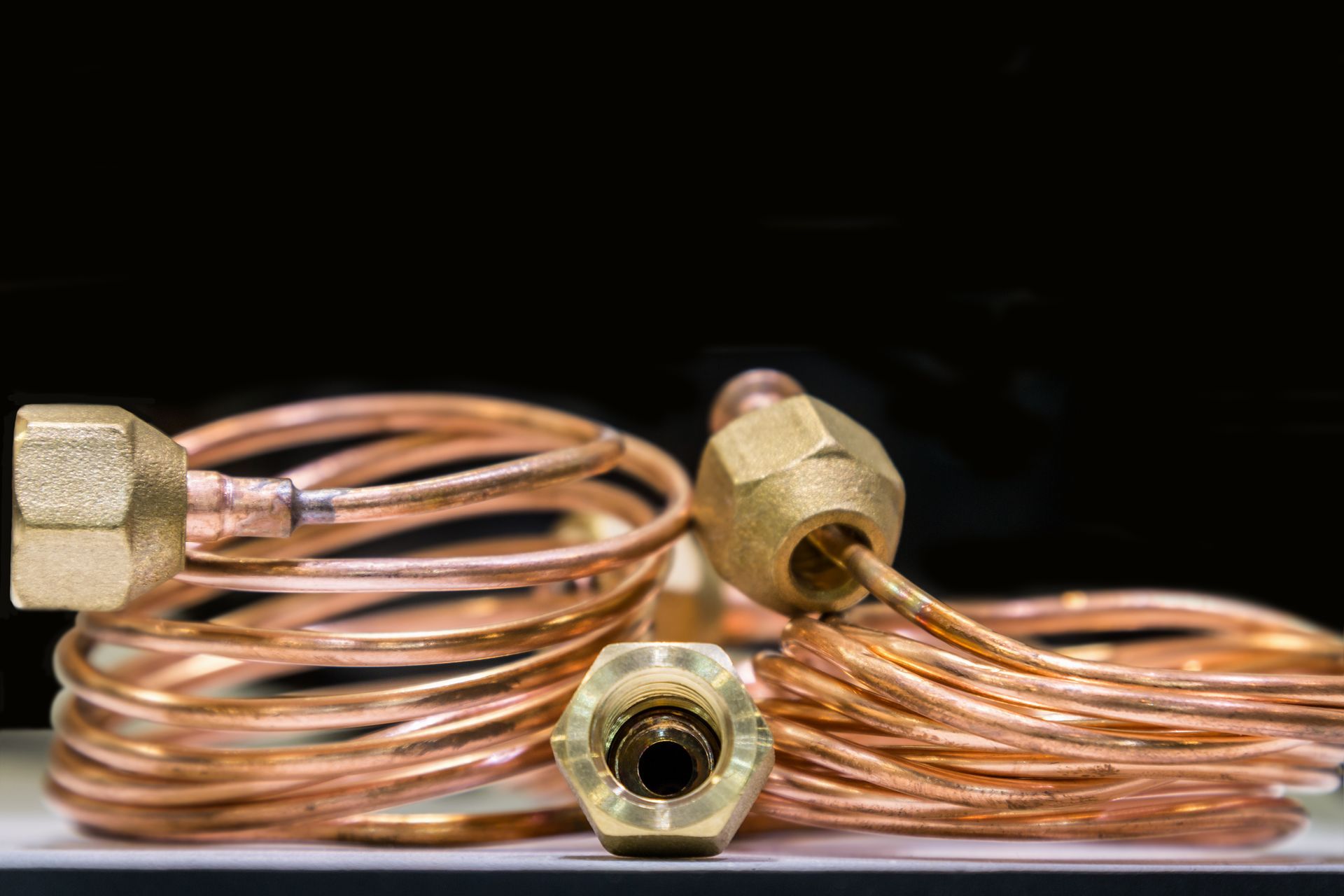
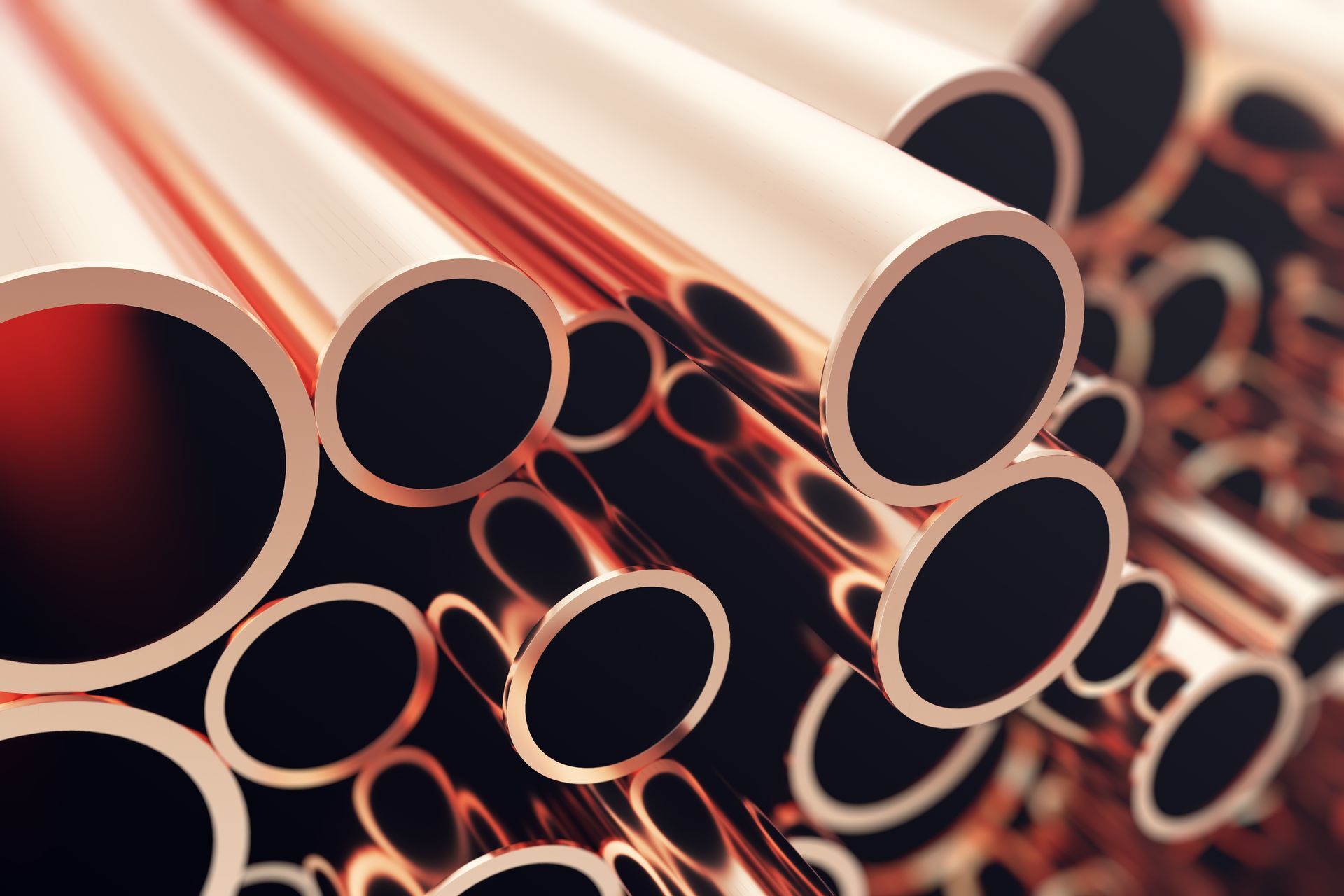
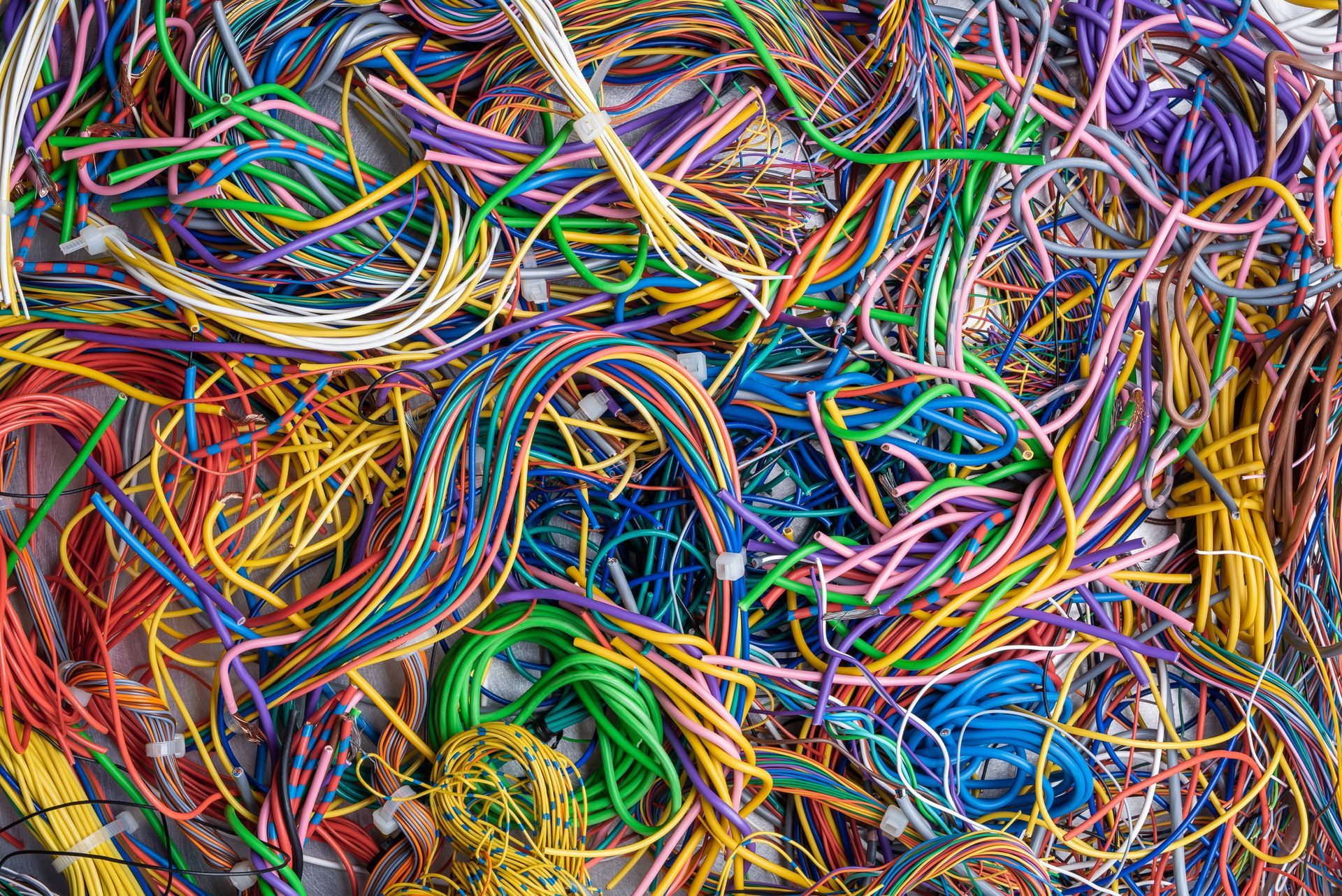
Commonly accepted non-ferrous materials include copper wire, pipe, and fittings; aluminum sheet, extrusions, and castings; brass valves and plumbing components; insulated wire and cable; stainless steel and nickel alloys; and exotic or high-temperature alloys used in industrial settings. Note that ferrous metals such as iron and steel are not accepted by all yards, so confirm material eligibility before scheduling.
What Should Businesses Know About Pricing and Weighing?
Scrap metal pricing changes frequently. Businesses can call ahead to get current rates before a pickup or drop-off. Reputable yards use state-certified digital platform scales to ensure accurate weight readings and transparent payouts. Always confirm that your yard uses certified scales so you can trust the numbers you receive.
Getting Your Commercial Account Set Up for Recurring Service
Recurring service works well for businesses with ongoing scrap output. Container service, where a bin is placed at your facility and picked up on a schedule, may be available depending on your volume and location. Ask about minimum load requirements and pickup frequency when you first make contact. Keeping materials sorted by type between pickups can speed up processing and may improve your rate.
Ready to Set Up Commercial Scrap Metal Pickup?
Dabal & Sons Scrap Metal has been serving commercial accounts across the region for over 60 years, specializing in non-ferrous scrap metal services for businesses in the surrounding area. Visit the
what we buy page to review accepted materials, then
contact the team to discuss your commercial account needs. Call
(973) 478-3478 today to get started.